Recent work
Ascension is a recent piece of writing created for ‘Reserved Listening’ - an exhibition at Kingcombe National Nature Reserve in Dorset. The writing looks at my relationship with the overlaps and histories of migratory birds and radio waves travelling between South Africa and the South of England. It is a story of transmission, memory and visibility.

Ascension, 2025, A5 booklet, unlimited edition

Ascension [excerpt]
Sitting on my warm front wall I’d excitedly point out the Swallows. They’d drop from their muddy little nests in the eaves over the road to swoop amongst the aerials and phone lines. I remember the disappointment as Mum said ‘those are just House Martins’.
The closest I’d come to Swallows was Dad’s mate Fred off the Yacht who had one tattooed on each hand. Through a constant fog of smoke and laughter the bird’s blue outlines bled into tanned skin and unruly arm-hair. Symbolising hope and homecoming, frenetic gestures sent them darting amongst glistening treasures of smooth-worn gold; all hints at the freedom and mystery of a life lived over the horizon. In their energetic travels the Swallows failed to communicate the unseen nuances of heavy metal poisoning and asbestosis. The losses came home, one after the other.
The Swifts were also not Swallows but I was less disappointed when they appeared. My island-bound imagination would soar with them, squeeeeing in high arcs among the vapour trails in a sky extending over the roof tops, past the city, beyond the dockyard, and out into the channel. I still listen out for them, but the air is mute. Grey maintenance-free soffits publicly broadcast the success of local business owners in a street where I can no longer park. There isn’t much for birds to stick to.
A few years back, as Winter was drawing in, I thought I’d head south to find Swallows. I skitted across the cooling countryside, drawn by sonar to Portland Harbour. The masts of Rampisham described a 300ft elevation in the distance; a shadow of a shrinking family and a long wave goodbye. Flap, Flap.
Masts at Rampisham Down, Dorset, UK
Behind my often enigmatic work there are rich stories and hidden research. Mentors and advocates have encouraged me to explore the potential of writing and this has brought a new voice to my work. At this stage the written pieces sit separately from my sculptures. After exhibiting in Portugal and Somerset, alongside artists with a distinctive sound element to their work, I am excited to explore the next chapter in the development of my work: bringing the layered histories and fictional narratives into direct contact with the audience through sound and moving imagery.
Ascension is an A5 booklet written & produced by Andy Parker for the exhibition Reserved Listening at Kingcombe Reserve, Dorset in April 2025.
To download a PDF version of the full publication, click here
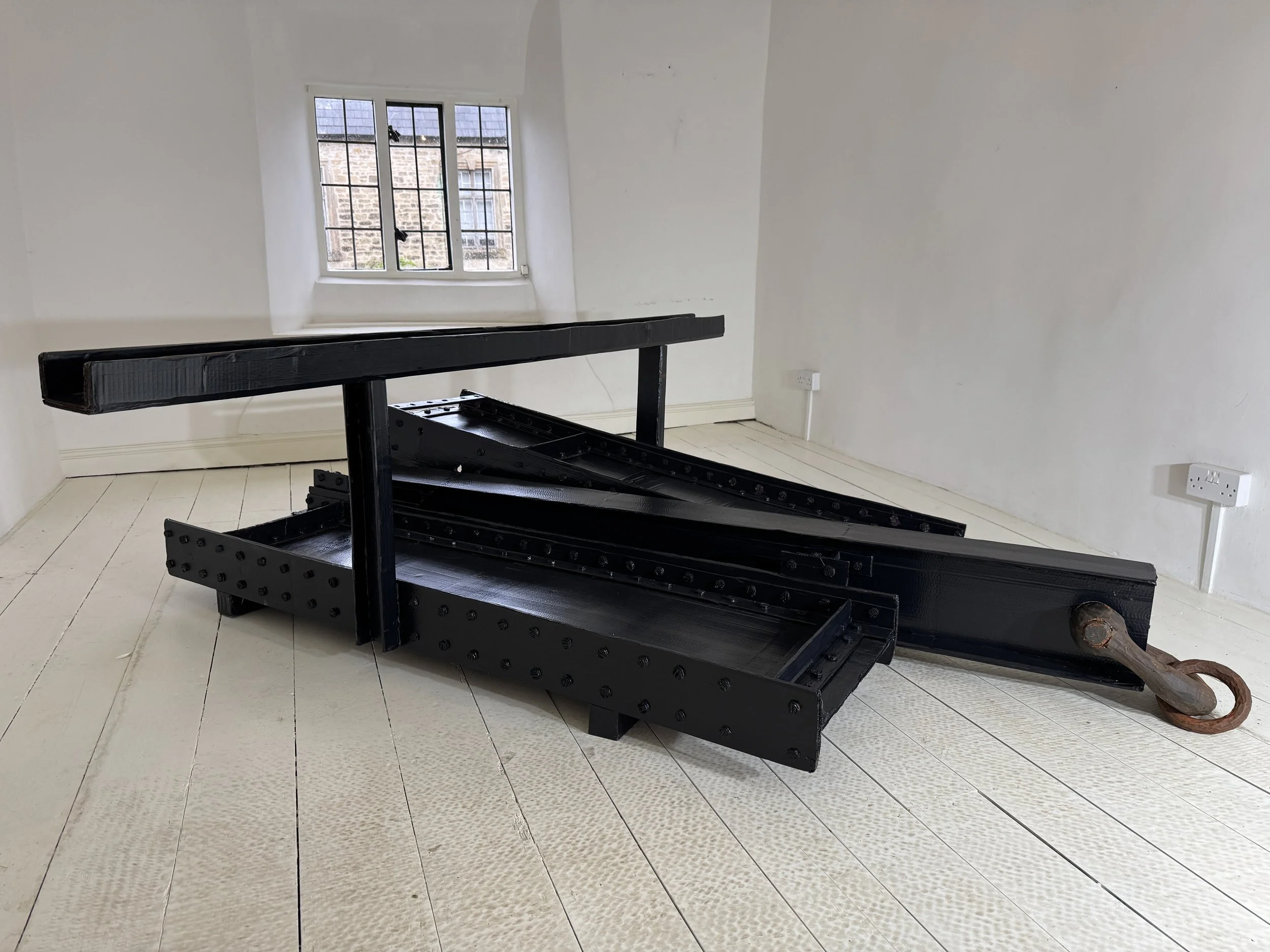
Lock, 2025
Salvaged cardboard, tape, glue, household paint
My sculptural work is often installed in museums or non-gallery sites and is made from repurposed materials such as used cardboard and leftover household paint. This ephemerality allows the work a lightness: the relationship between viewer and environment becomes temporal.
In 2025 I was given the use of an empty cottage in a local village. I developed a series of work which took their form from Anthony Caro’s iconic steel sculptures. The domestic space was filled by my life-sized constructions. The addition of a huge shackle, whose functional allusions shift the narrative of the work, re-imagines these iconic structures as something from the world that could be dragged or dropped. Intervening in history in this way is thrilling and pushes my practice forwards.
My drive to make visible the way the maritime world shapes life in the UK has, in this case, lead to combining thoughts about anchor design with modernist metal sculpture. In the past I’ve combined shipping containers with a historic wagon collection, or temporarily floated domestic objects on sea-bourne rafts.
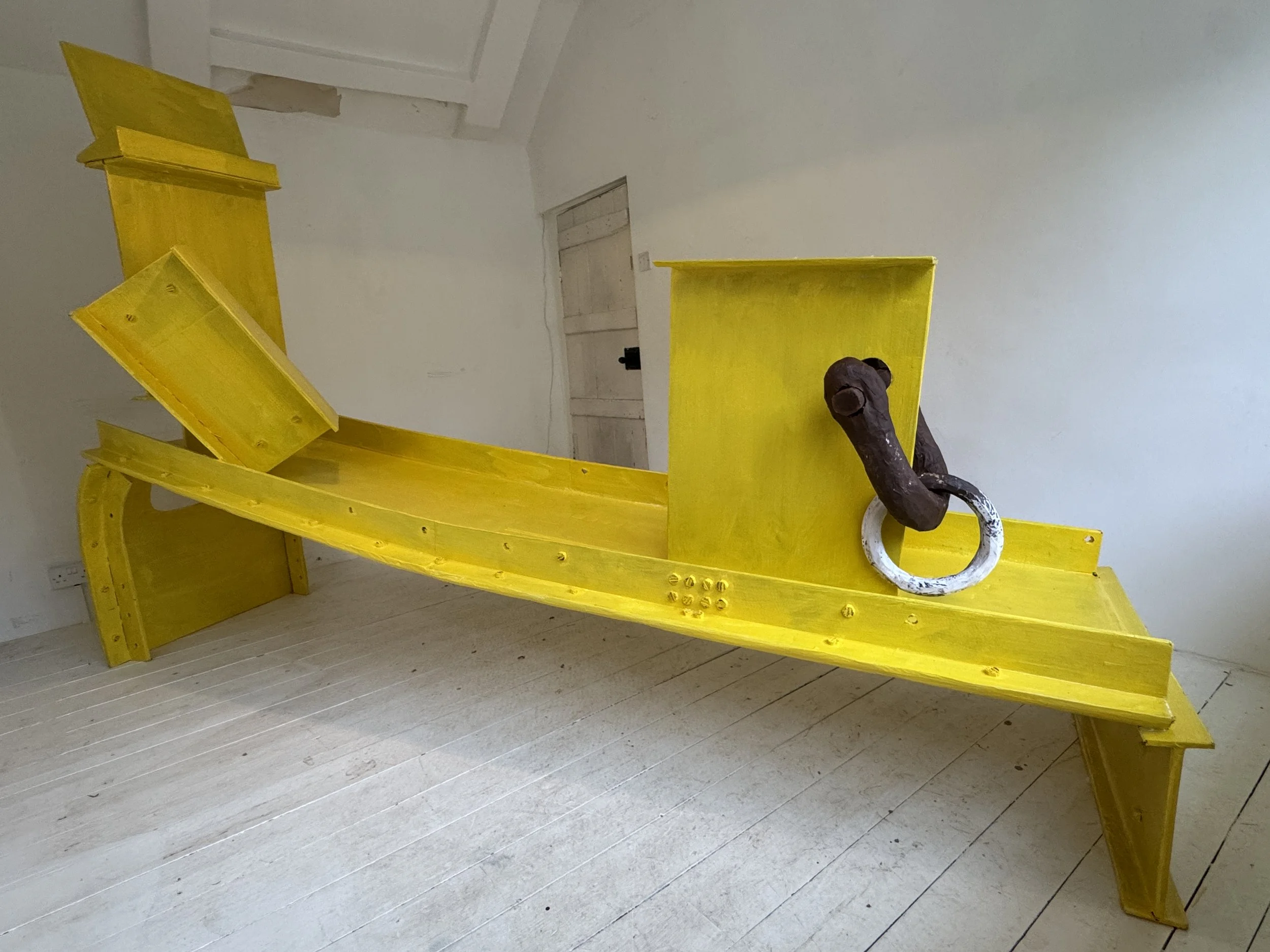
Midday, 2025
Salvaged cardboard, tape, glue, household paint
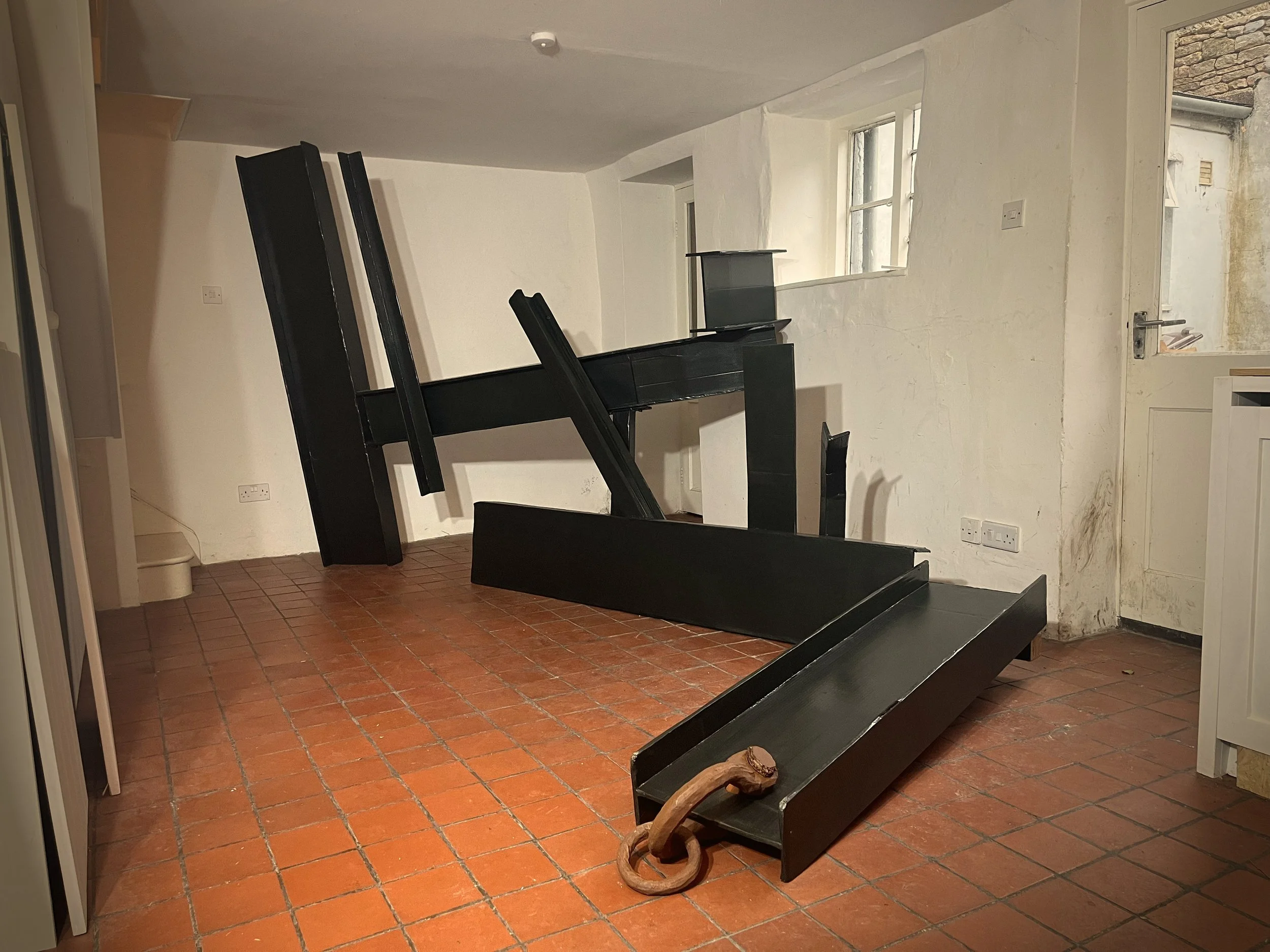
Sculpture Two with shackle (exposure ramp), 2025
Salvaged cardboard, tape, glue, household paint
Being able to use sound and image will open up an autobiographical element to my practice. I am a second generation St Helenian (A South Atlantic British Overseas Territory) and have access to family and friends with extraordinary tales about their lives shaped by the sea, both here in the UK and on the Island.
These narratives tap into complex histories highly relevant to contemporary global concerns. I’ve been using the archives at Kew and the National Maritime Museum to combine research with my family histories - this has a complexity sculpture alone is unable to bring to life.
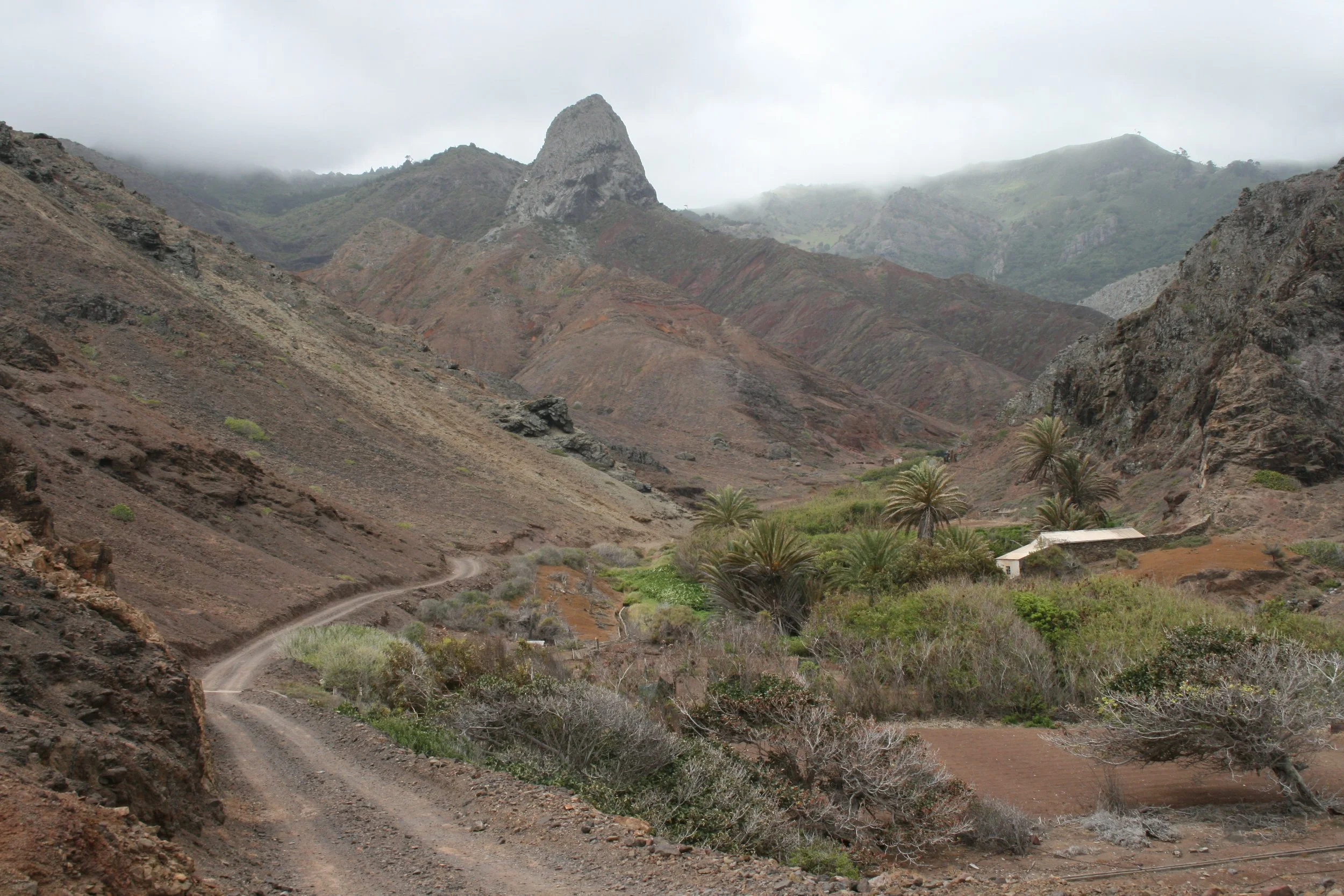
When I was shortlisted for an Imperial War Museum funded commission at Plymouth Box Gallery, discussion centred on the effectiveness of sculpture as an accessible medium to communicate my idea for looking at how domestic life is affected when a family member serves in the Navy. A pragmatic reflection on the needs of commissioning institutions helped me see why the successful work was an audio-visual presentation.
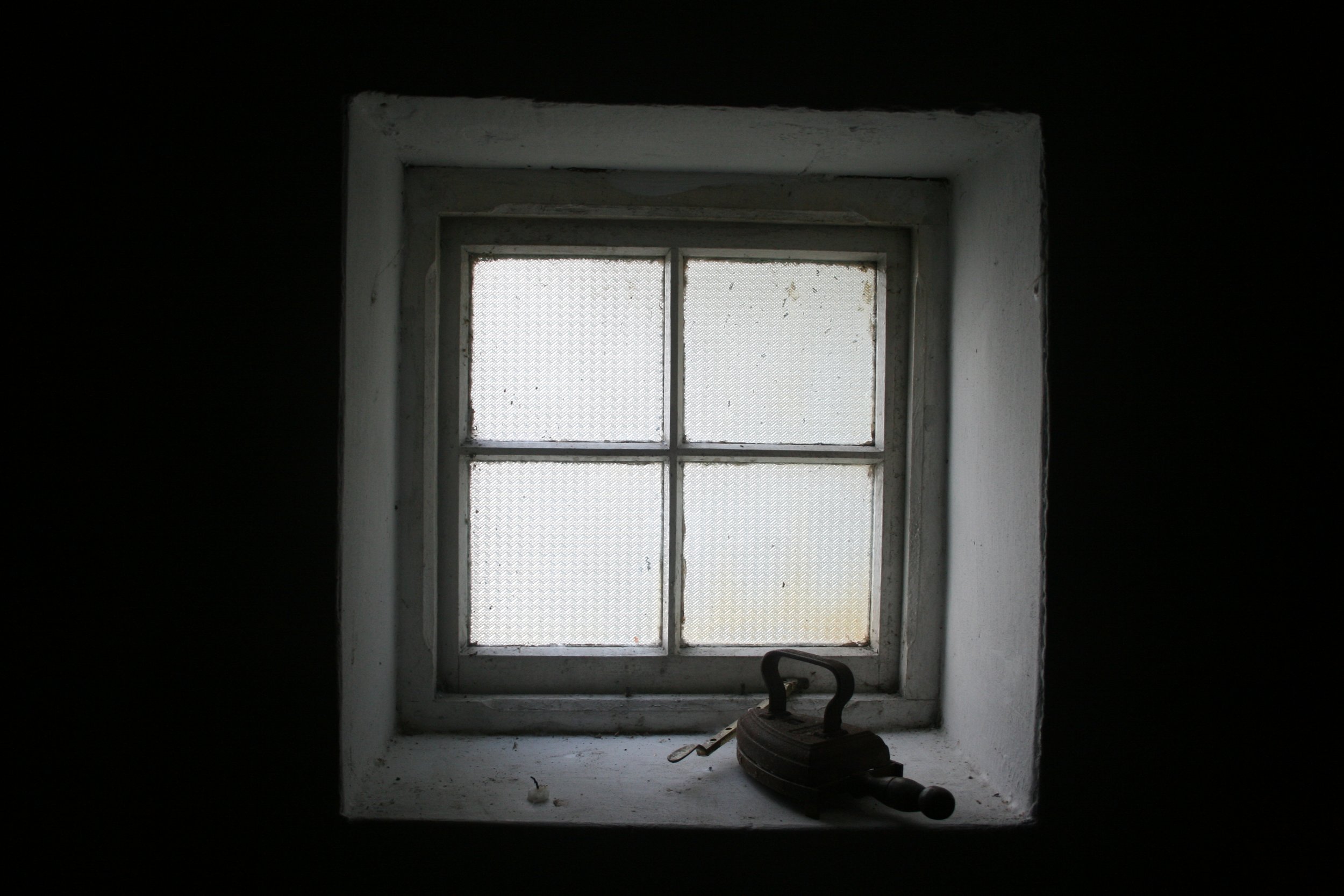
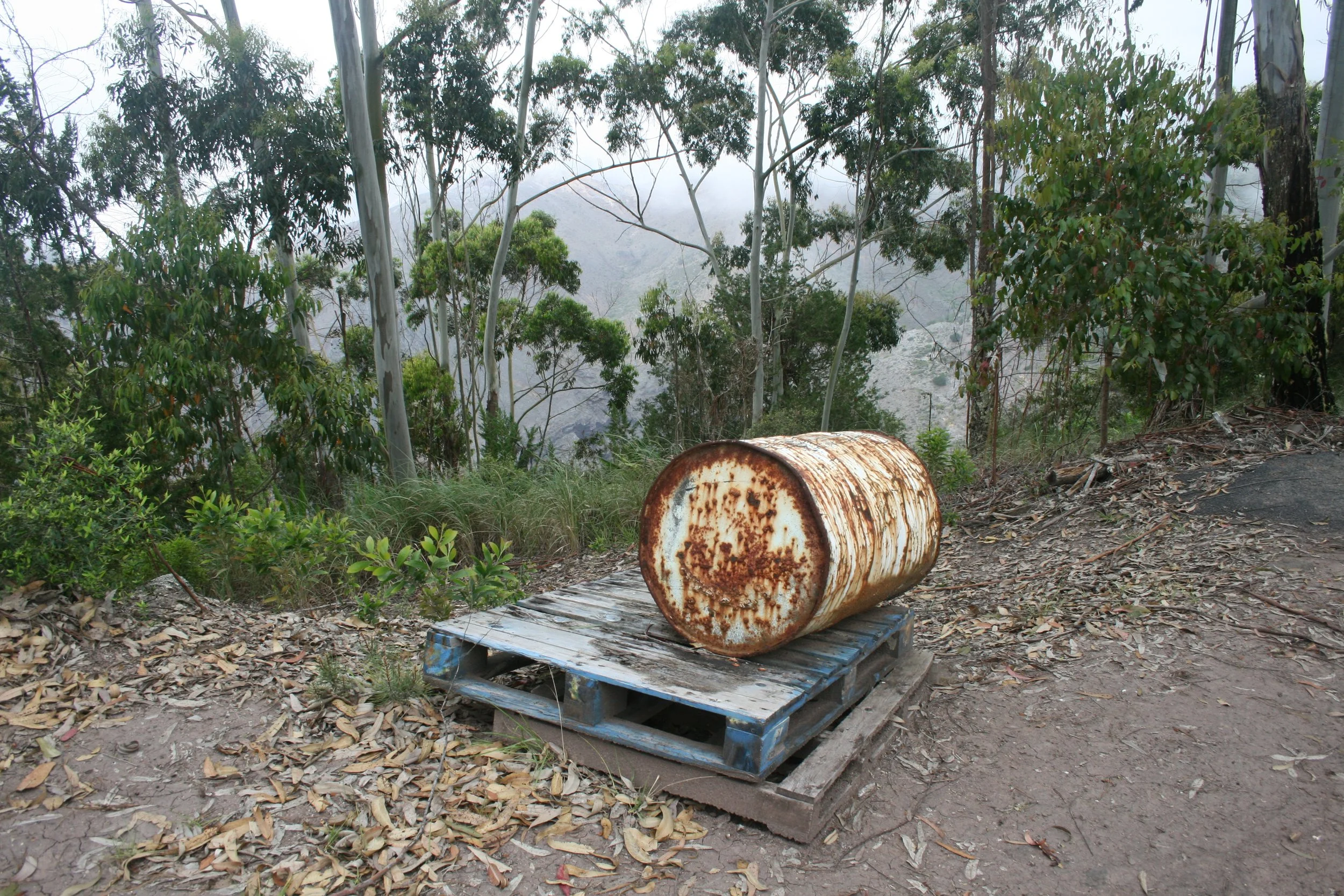
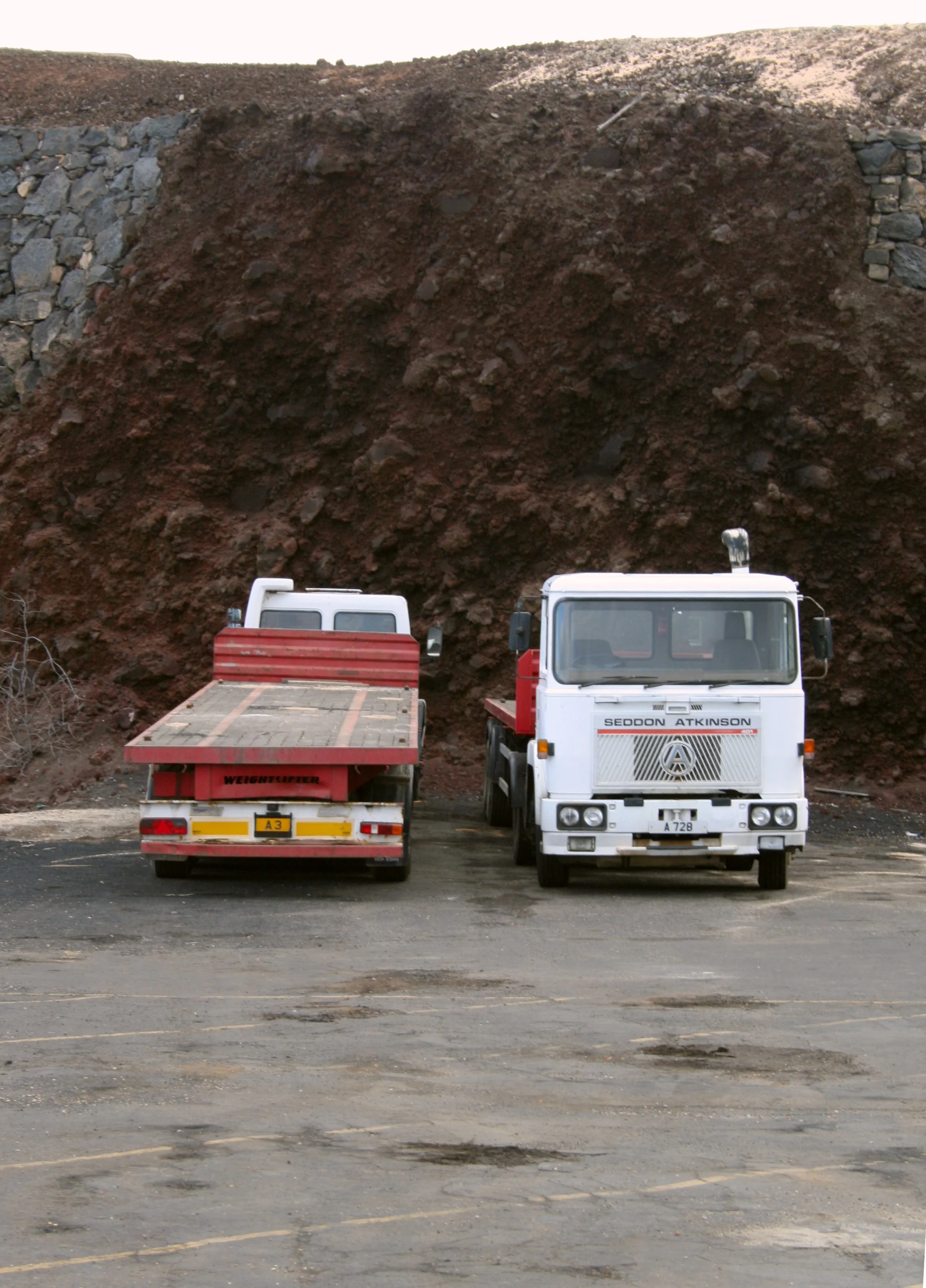
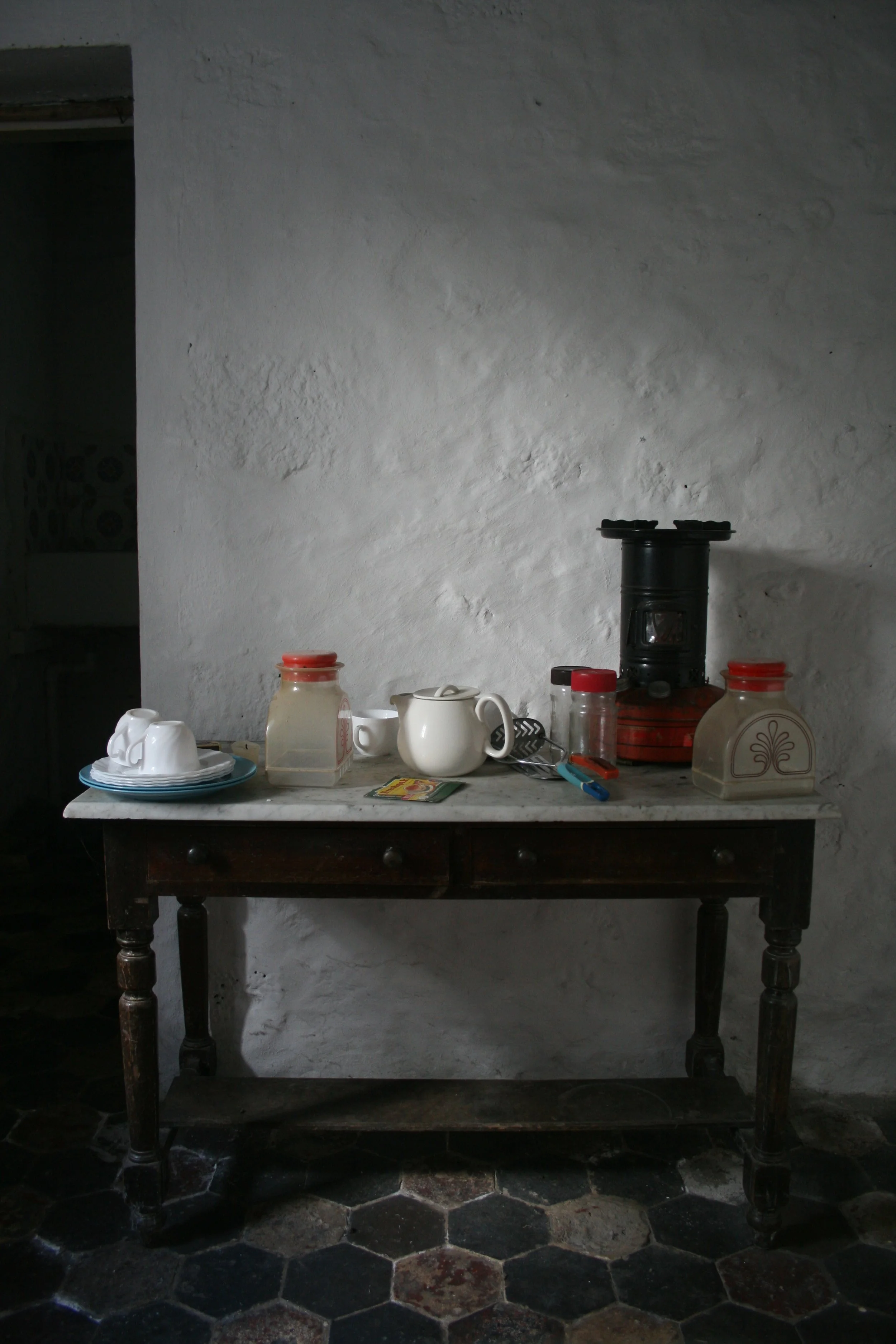
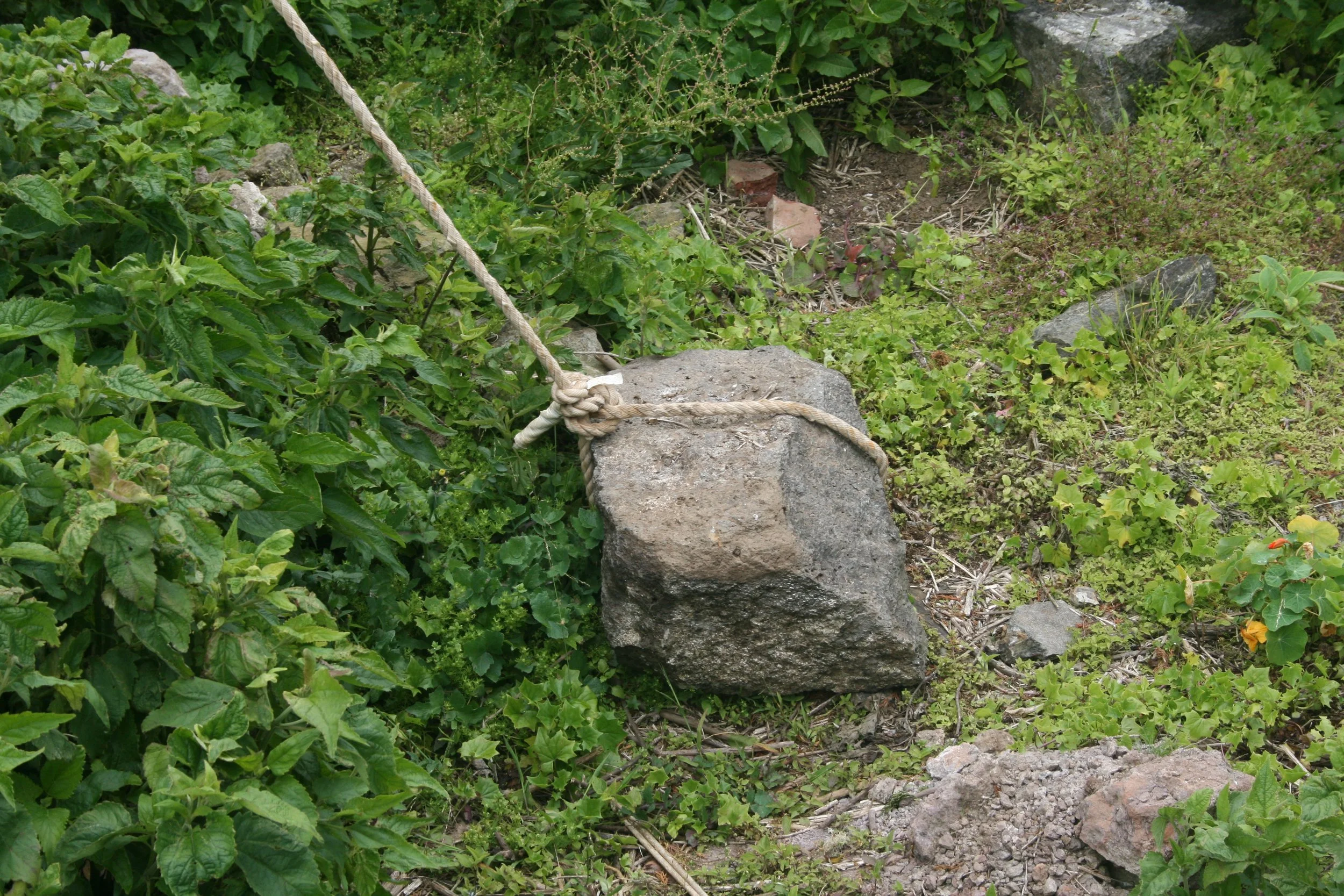
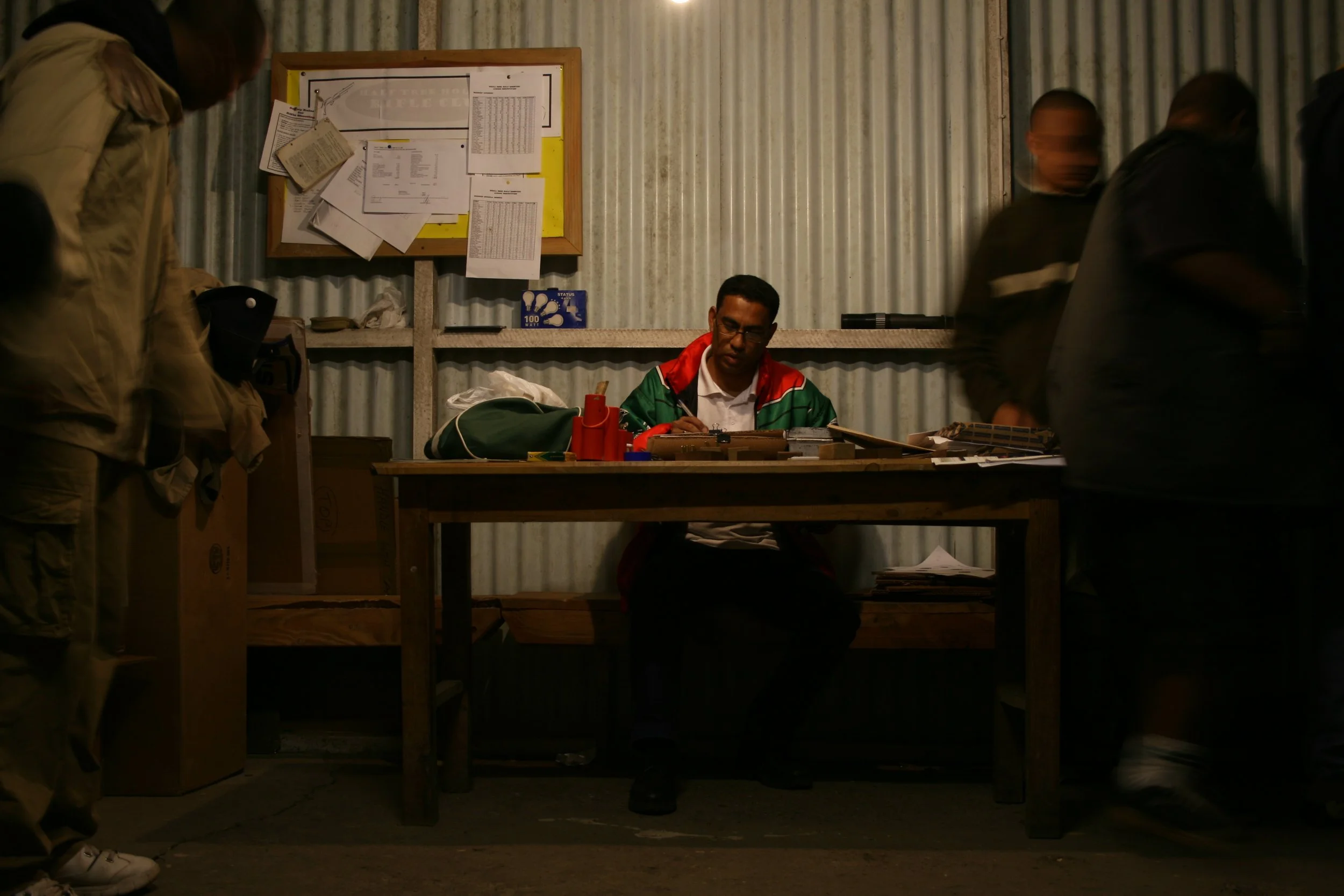
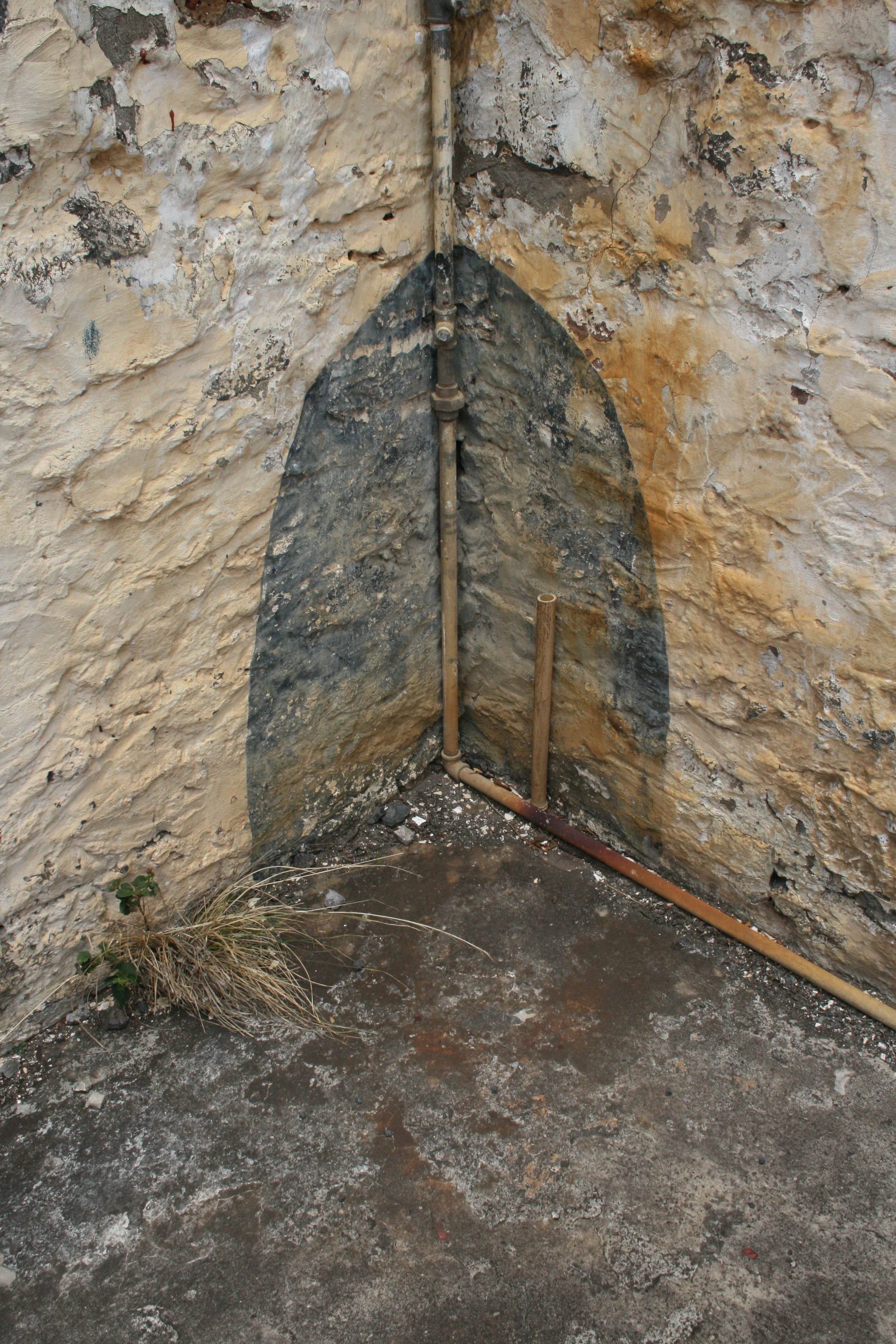
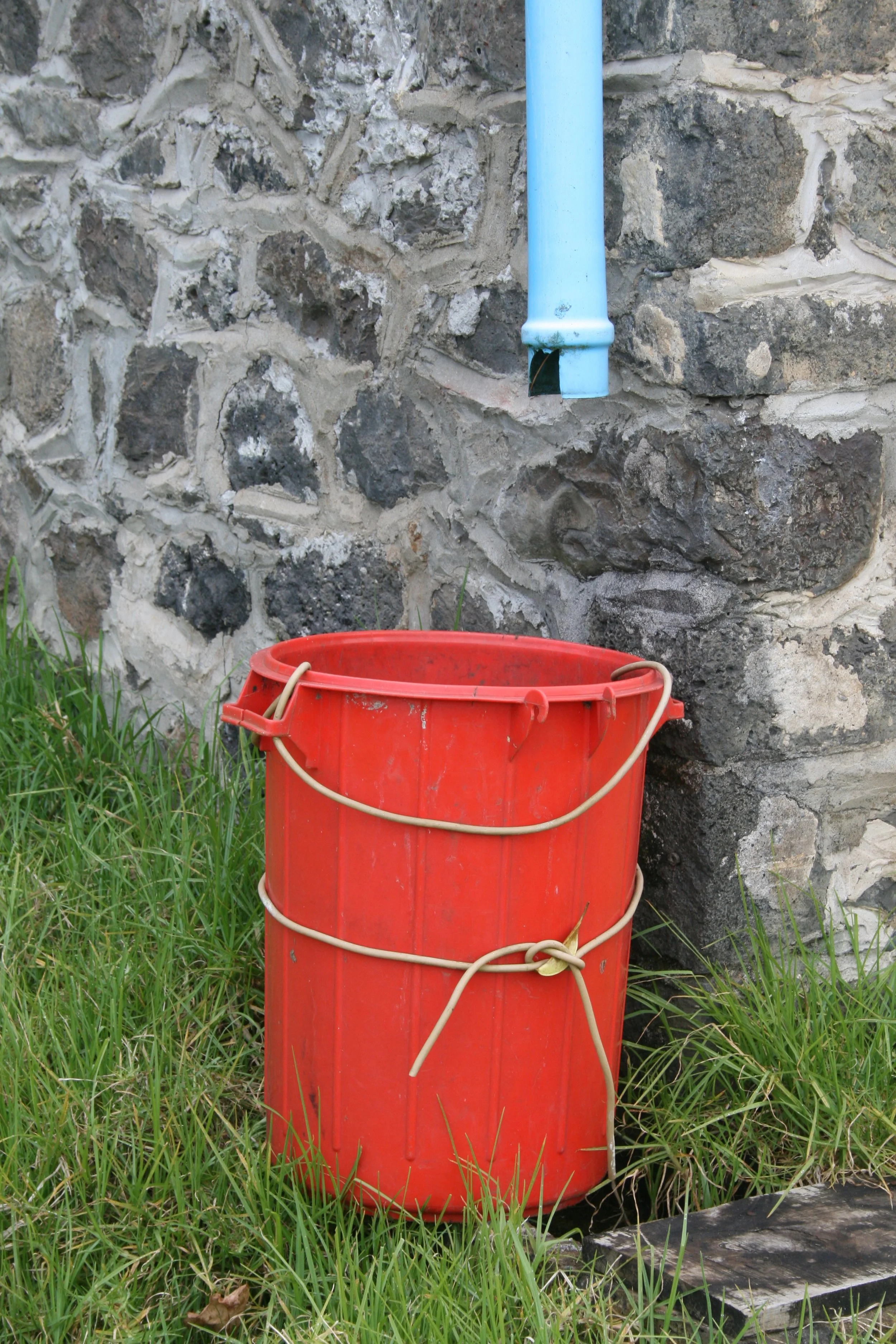
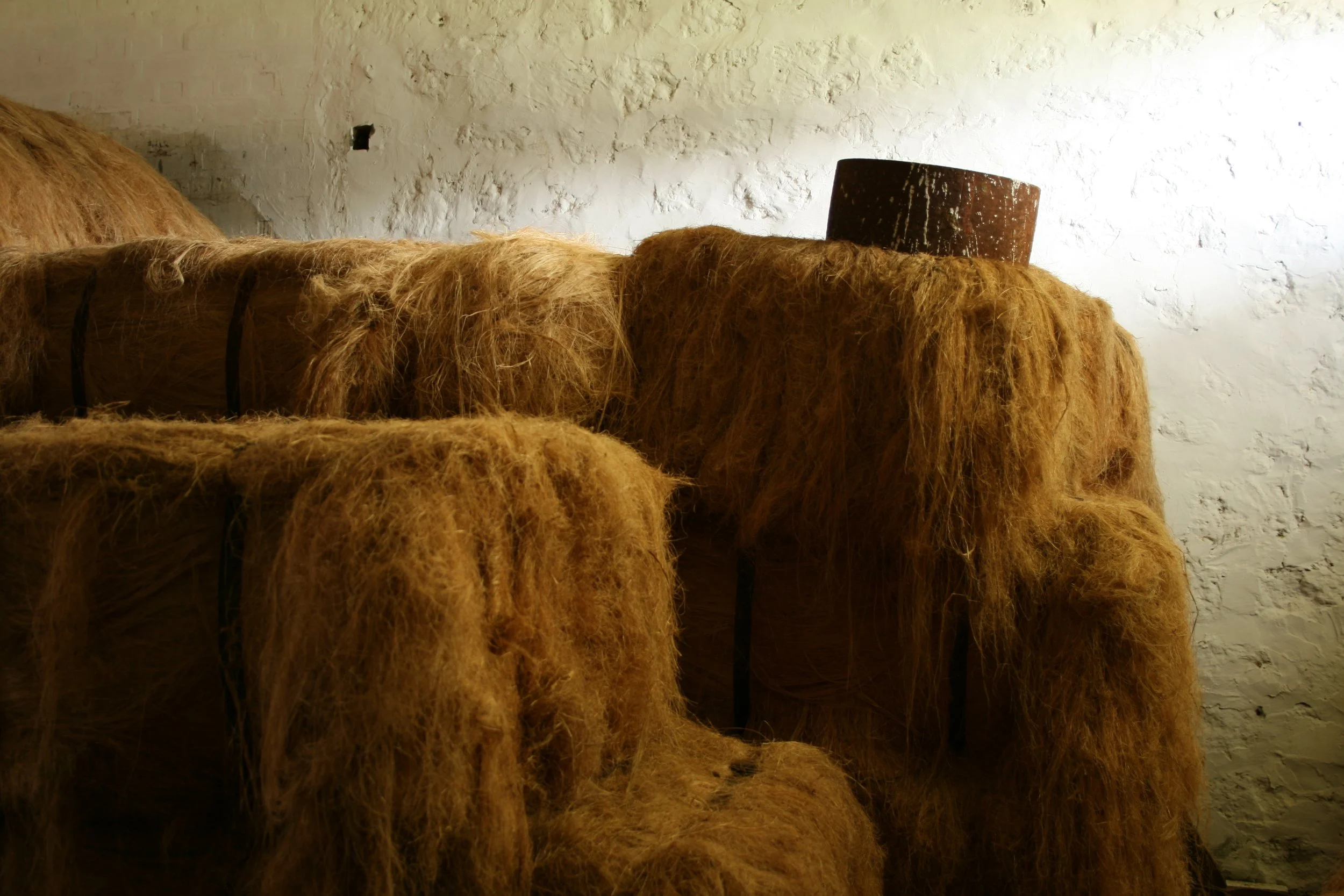
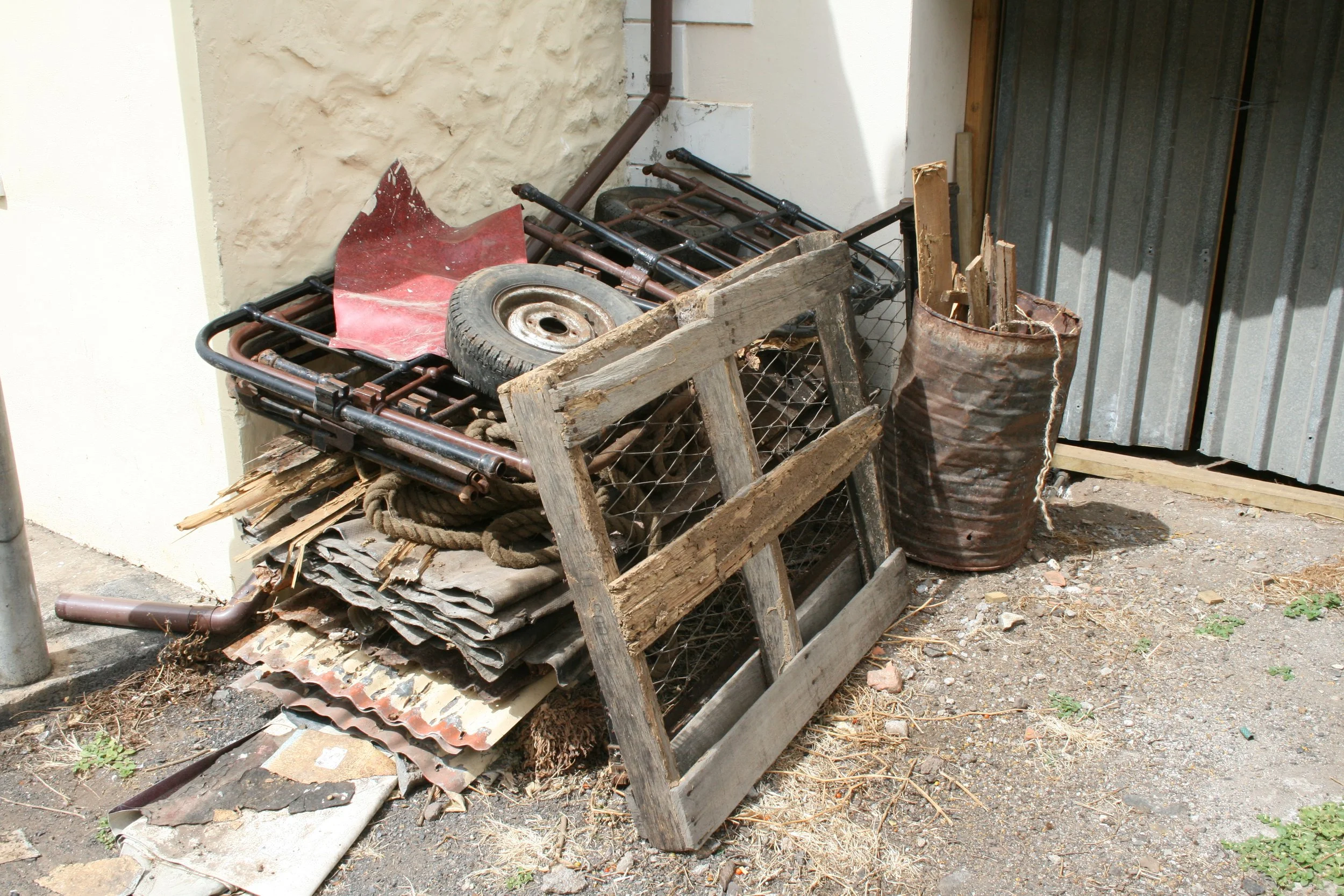
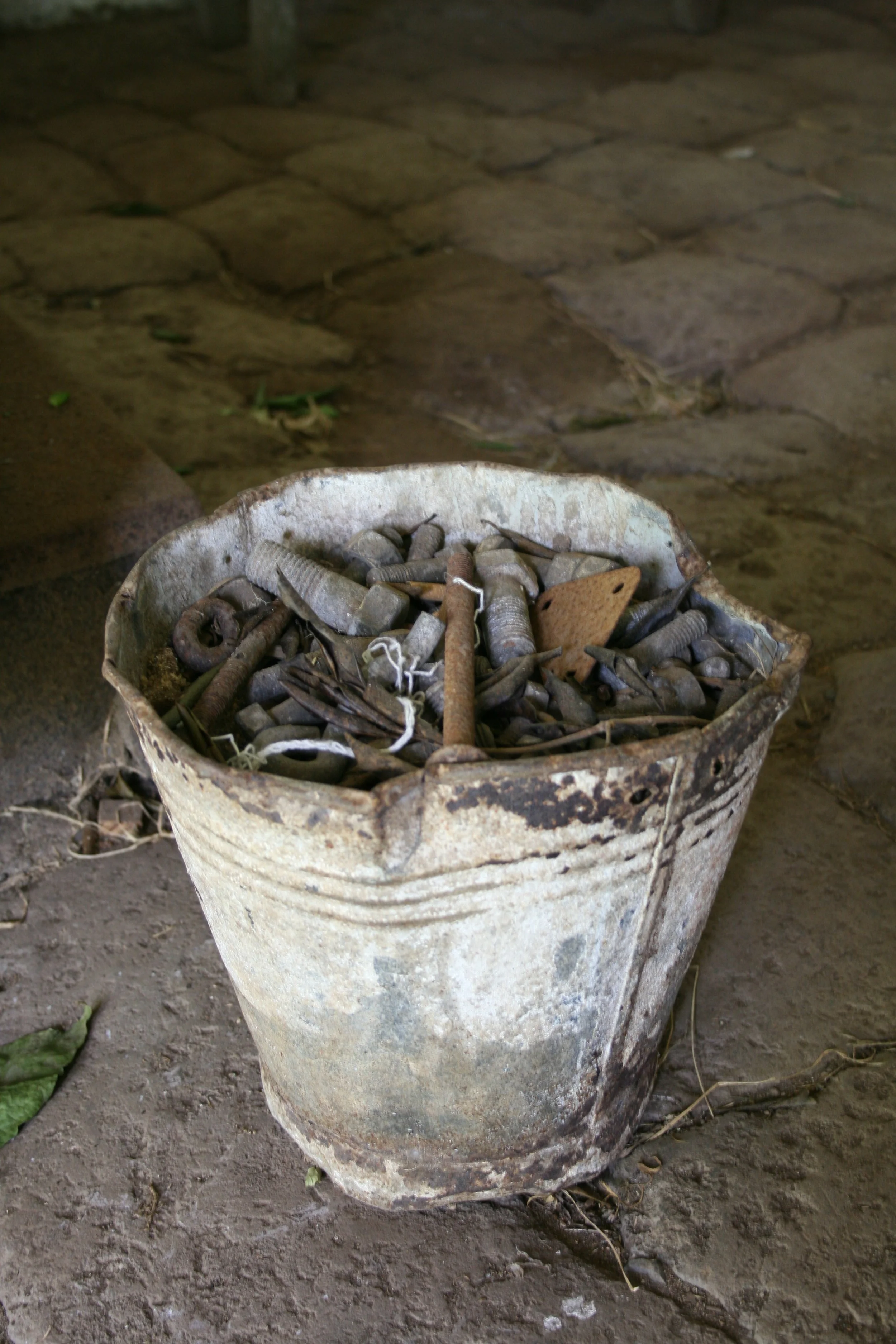
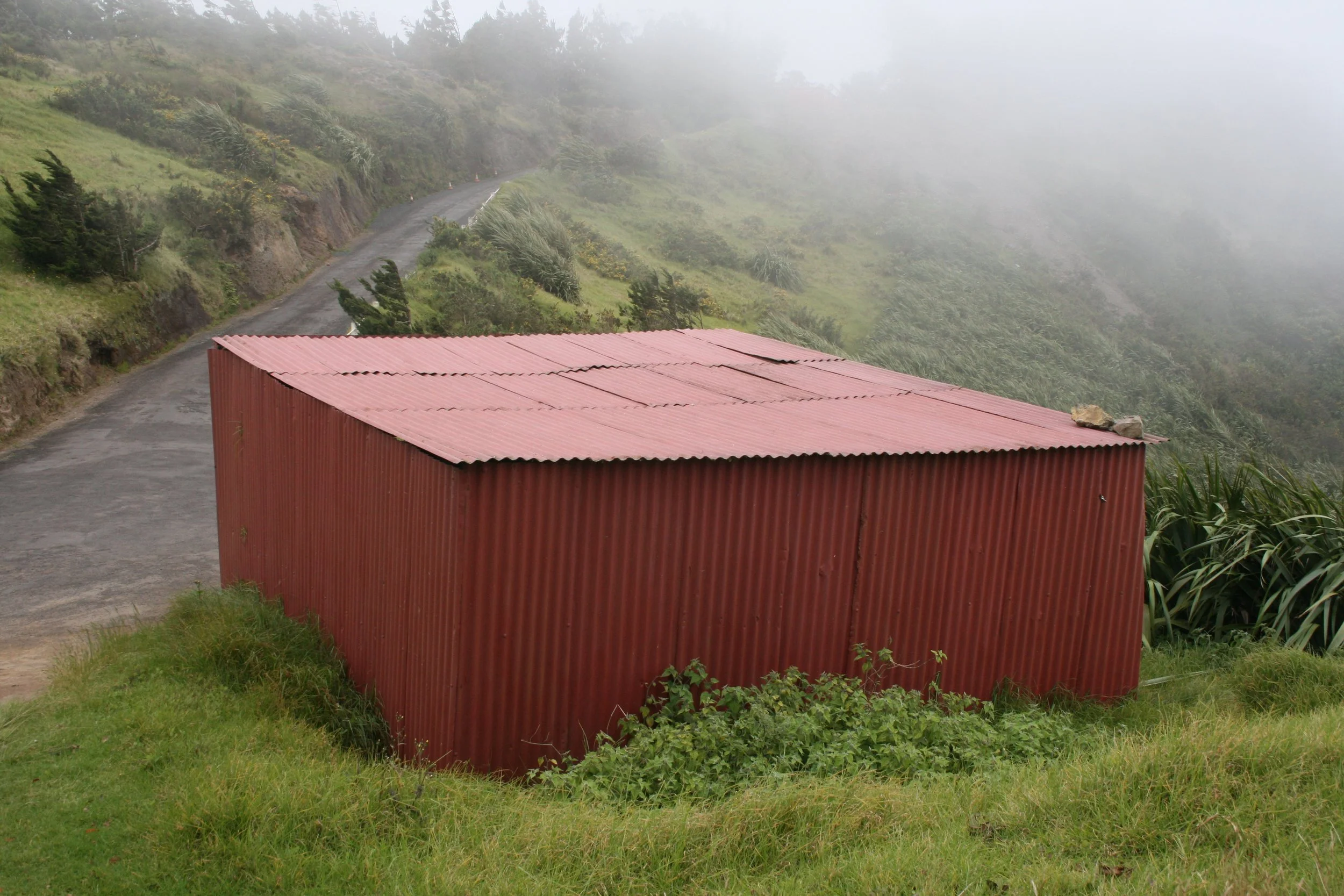
All images taken during my Deutsche Bank funded residency on St Helena - further information here